Industry news
Why 3D Testing Matters for Fiber Pigtails and Fiber Optic Patch Cords?
Time:2025-07-25 Click:866
Why 3D Testing Matters for Fiber Pigtails and Fiber Optic Patch Cords?
The 3D testing index is critical for fiber pigtails and fiber optic patch cords—its value lies in three core strengths: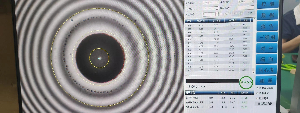
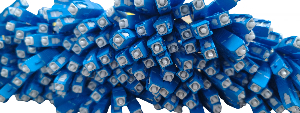
Guarantees Transmission Quality
It directly reflects fiber connection precision, the foundation of stable transmission in both fiber pigtails and fiber optic patch cords. This ensures low signal loss, faster data speeds, and lower insertion loss—key for reliable performance in every application.Reveals Craftsmanship & Defects
High-quality fiber pigtails and fiber optic patch cords boast excellent 3D interference performance, a clear mark of superior manufacturing. The index detects critical physical flaws (e.g., apex offset, uneven or rough end-faces) and verifies compatibility with devices, preventing mismatches.Critical for High-Stakes Use
In high-demand scenarios—military communications, aerospace, or high-speed networks—3D testing is non-negotiable. It prevents signal interruptions, cuts error rates, and boosts system stability. Poor 3D performance, by contrast, risks failures, signal decay, and shortened lifespans.
Key Production Insights
Standard 85% Pass Rate: Most fiber pigtails and fiber optic patch cords pass 3D testing under normal quality controls. This balances quality and cost, meeting everyday needs effectively.Low-Cost Risks: Ultra-cheap options rely on subpar materials, directly compromising 3D performance. Avoid these for critical applications where reliability is essential.
100% Testing Costs More: Full inspection requires meticulous checks and rework for every fiber pigtail and fiber optic patch cord. This drives up costs but guarantees zero defects—ideal for high-stakes use.
Final Tip
For high-demand network transmissions, always request 3D testing. For most uses, the 85% pass rate suffices—striking the perfect balance between reliability and affordability.Need 3D-tested fiber pigtails or fiber optic patch cords? Let’s connect to find your ideal solution.